Interpret The Component Of Routing Table


NETWORK ID

THIS IS THE DESTINATION SUBNET AND NETMASK. IT IS USED TO MATCH A DESTINATION IP ADDRESS TO THE NETWORK ID.

NEXT HOP

 THIS IS THE IP ADDRESS OF THE NEXT ROUTER THAT THE PACKET SHOULD BE FORWARDED TO.

ROUTING PROTOCOL

THIS IS THE ROUTING PROTOCOL THAT WAS USED TO LEARN THE ROUTE.

ADMINISTRATIVE DISTANCE

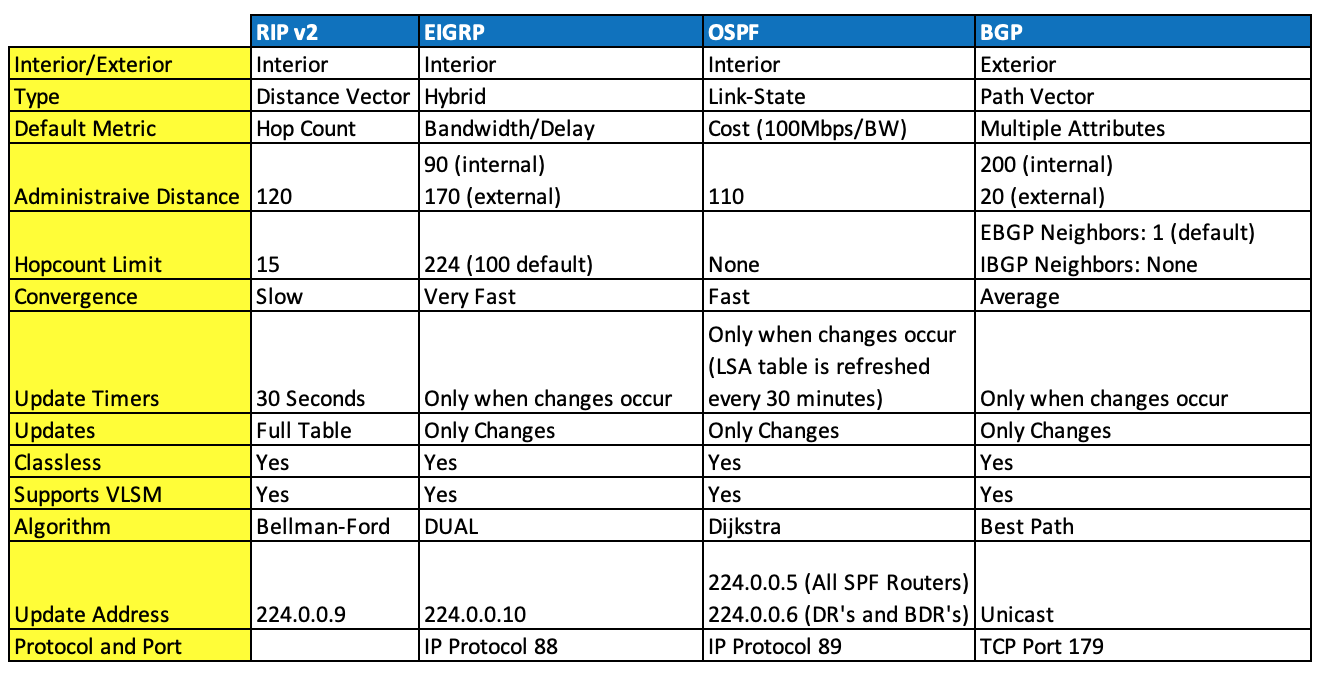
(AD) IS A VALUE ASSIGNED TO ROUTING PROTOCOLS TO INDICATE HOW RELIABLE THE ROUTING INFORMATION RECEIVED FROM THAT PROTOCOL IS. THE LOWER THE AD VALUE, THE MORE RELIABLE THE ROUTING PROTOCOL IS CONSIDERED TO BE.

METRIC

THIS IS A MEASURE OF THE COST OF THE ROUTE. LOWER METRICS ARE BETTER.

GATEWAY OF LAST RESORT

THIS IS THE IP ADDRESS OF THE ROUTER THAT SHOULD BE USED IF NO OTHER ROUTE MATCHES THE DESTINATION IP ADDRESS.

PREFIX

A PREFIX IS SIMPLY THE NETWORK ADDRESS IN A ROUTING TABLE AND THE PREFIX IS THE DESTINATION NETWORK ADDRESS. A PREFIX LENGTH IS JUST THE SHORT HAND WAY TO EXPRESS A SUBNET MASK USING CIDR NOTATION. IF THE SUBNET MASK IS 255 255.255.0 THEN THE PREFIX LENGTH IS /24.

____________

EXAMPLE OF ROUTING TABLE ENTRY :

Destination 10.0.0.0/24 Next Hop 192.168.1.1 Protocol RIP Administrative Distance 120 Metric 1

THIS ENTRY MEANS THAT THE ROUTER KNOWS HOW TO REACH THE SUBNET 10.0.0.0/24. THE NEXT HOP IS 192.168.1.1, WHICH IS THE IP ADDRESS OF THE ROUTER THAT THE PACKET SHOULD BE FORWARDED TO. 

THE ROUTING PROTOCOL USED TO LEARN THE ROUTE IS RIP, AND THE ADMINISTRATIVE DISTANCE IS 120. THE METRIC IS 1, WHICH MEANS THAT THIS IS THE BEST ROUTE TO THE SUBNET 10.0.0.0/24.

THE ROUTING TABLE IS A CRITICAL PART OF A ROUTER'S OPERATION. IT ALLOWS THE ROUTER TO DETERMINE HOW TO FORWARD PACKETS TO THEIR DESTINATIONS. 

THE COMPONENTS OF THE ROUTING TABLE ARE USED TO MAKE THESE DECISIONS.

_____________

AD VALUES ROUTING PROTOCOL


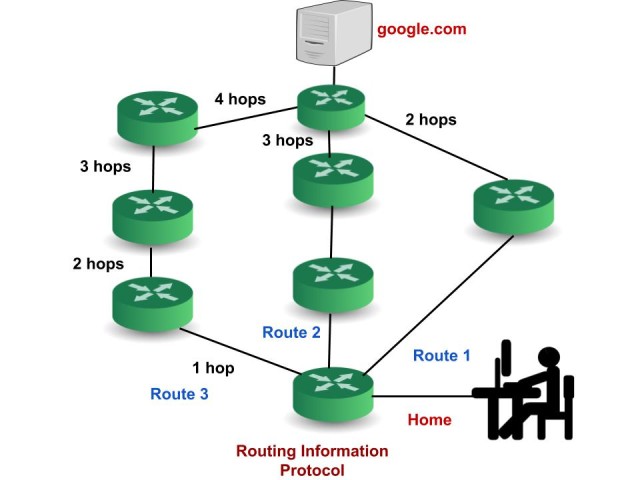
METRICS MEANS NO.. OF HOPE


__________________

ALL INFORMATION PROTOCOLS


___________________

Comments

Popular posts from this blog

About Me Information

HELLO FRIENDS, I HOPE YOU ALL ARE DOING WELL. I AM MAKING THIS BLOG FOR THE INFORMATION OF NETWORKING ABOUT. IN THIS BLOG WE WILL READ CCNA (200-301) AND ITS RELATED AND NETWORK RELATED INFORMATION. MY NAME IS ABDUL MANAN JAVED MANJ MY AGE IS 21 YEAR    I AM STUDED ABOUT NETWORK  TECHNOLOGY EMAIL ID : mananrajpoot449@gmail.com CONTACT NO : +923486777628 ADDRESS : ISLAMABAD,G7,KHADA MARKET My Website   My Facebook Account My Facebook Page My Linkedin Profile _____________________________ CONTENT ABOUT  HIS BLOGG 1.  Computer Network 2.   What Is Internet 3.   Network Architecture 4.  Osi Refrence Model 5.  Operating System 6.  Internet Protocol (Ip) 7.  Internet Protocol Types 8.   Port Number 9.  Mac-Address 10.    WHAT IS HUB 11.   WHAT IS SWITCH 12.   WHAT IS ROUTER 13.   WHAT IS NETWORK 14.   NETWORK CABLES 15.   ROUTING 16.  Data Transmission 17...

CSST COURSE 1.0

Q1. WHAT IS A ADDRESSING. Network addressing is like a two-part delivery system:   Logical Addressing (IP): This is like your permanent address (e.g., 192.168.1.1) that lets data find your device anywhere on the internet. Physical Addressing (MAC): Think of this as a unique ID for your device's network card (AA:BB:CC:DD:EE:FF) used for local delivery within your network. Q2. WHAT IS A PACKET AND FRAME . Packets: Layer: Network Layer (Layer 3) Content: The actual data you want to send, like an email, a video, or website information. Addressing: Contains logical addresses (IP addresses) to identify the sender and receiver on the network. Size: Can vary depending on the data type, but generally larger than frames. Travels across networks: Packets can travel across different networks, like the internet, as they are routed based on IP addresses. Frames: Layer: Data Link Layer (Layer 2) Content: The packet wrapped with additional information for local deliver...

DOS AND DDOS ATTACK

A Dos (Denial-Of-Service) Attack and A DDOS (Distributed Denial-Of-Service) Attack Are Both Attempts to Make a Computer System or Network Resource Unavailable to Legitimate Users. However, They Differ in How They Achieve This: Dos Attack: Imagine A Single Person Throwing Rocks at A Castle Gate. A This Person Represents the Attacker, And the Rocks Represent the Malicious Traffic. The Castle Gate Represents the Target System or Network Resource. The Attacker Keeps Throwing Rocks, Trying to Overwhelm the Gate's Defenses and Gain Entry. Dos Attacks Are Typically Launched from A Single System. They Can Be Effective Against Small Systems or Networks, But Larger Systems Can Often Withstand Them. DDos Attack: Imagine An Army Throwing Rocks at A Castle Gate. This Army Represents the Attacker, And the Rocks Represent the Malicious Traffic. The Castle Gate Represents the Target System or Network Resource. The Attackers Coordinate Their Attack, Throwing Rocks from Multiple Directions at Once. ...